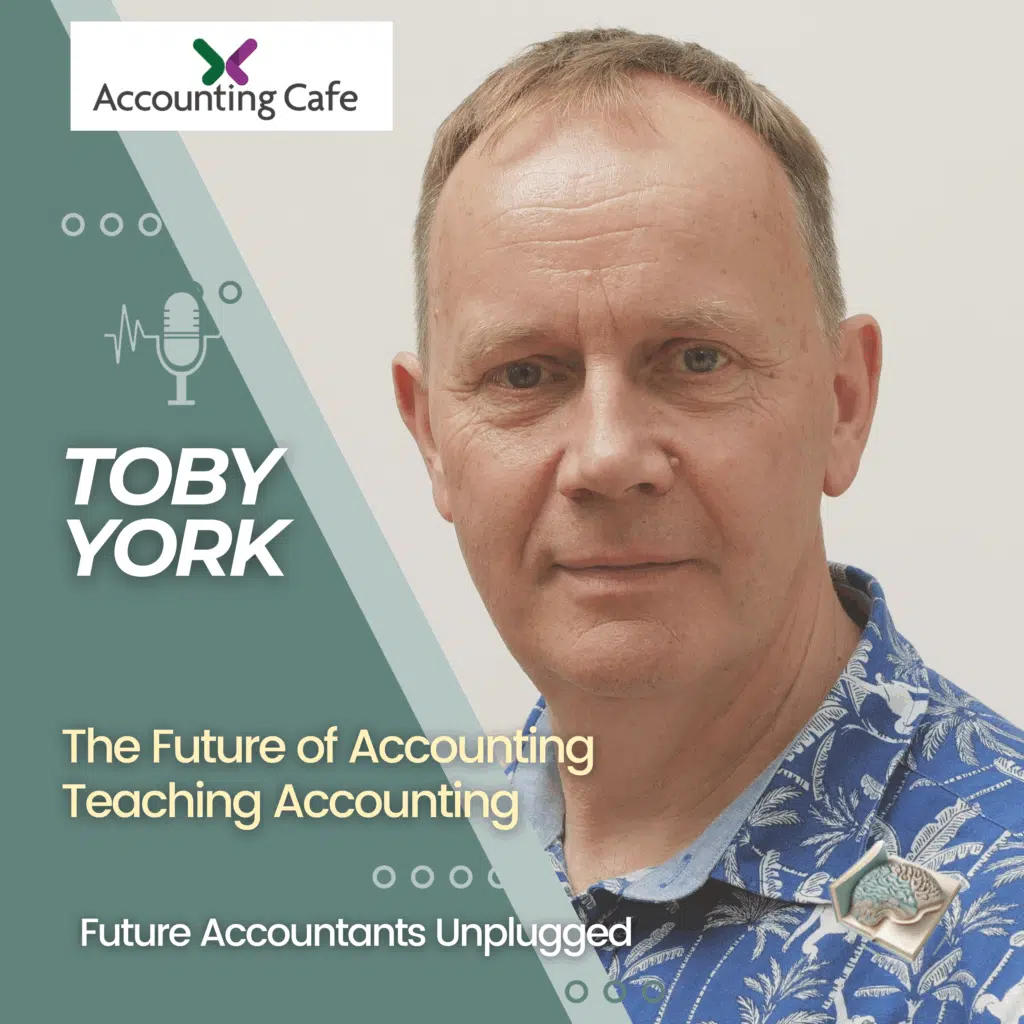
I chatted to Toby York founder of Accounting Cafe.
Take a look also at Colour Accounting – a really unique learning system used by many schools and universities.
In this episode, we really got into the weeds about where the accounting profession is actually heading. If you’ve been wondering whether AI is going to wipe out our jobs, the short answer is no—the 600-year-old foundation of double-entry bookkeeping isn’t going anywhere (Phew!).
But we did talk candidly about the real gaps younger professionals experience in learning the fundamentals. And some harsh realities of the industry right now – From brutal seasonal hours to the obsession with fast qualifications over actual skill development, we tackled exactly why so many people are feeling burned out and frustrated with the traditional career path.
But it wasn’t all doom and gloom! We spent a lot of time chatting about how we can actually fix this. We talked about embracing tools like ChatGPT as interactive, 24/7 learning partners, and why assessments need to focus on critical thinking instead of rote memorisation.
Finally, we wrapped up with some practical advice for anyone just starting out.
(Time stamps for the various topics under the video)
Episode Timestamps & Talking Points
02:55 – Accounting’s Long-Lasting Foundation: Double-entry bookkeeping isn’t going anywhere; in fact, computerized systems and AI work perfectly with its binary nature.
03:57 – Technology’s Impact on Skills & the role shifts: Automation is driving up the demand for advisory, evaluative, and modern tech skills. As traditional manual jobs vanish, younger professionals are missing out on hands-on foundational experience, creating a gap in deep domain knowledge.
10:48 – Bridging Practical Knowledge Gaps: Educators are using creative, real-world case studies—like fraud detection and gamification—to replace lost manual experience.
13:44 – Technology’s Dual Role in Education: AI can cause “brain rot” if misused, but excluding it is impractical. It must be embraced to teach students how to think critically alongside technology. The AI debate actually stems from outdated assessment methods, which need to evolve to incorporate AI responsibly.
16:33 – Assessment vs. Learning Tension: The pressure to fairly grade students conflicts with tech-enabled learning. The focus must shift from rote memorization to critical thinking.
20:21 – AI as a Learning Partner: Tools like ChatGPT and Gemini democratize education by acting as interactive, 24/7 tutors to check work and explain complex concepts.
25:03 – Ethics and Cultural Contexts: Accounting isn’t perfectly neutral. Standards often hold invisible cultural and capitalist biases that students should be taught to question.
27:48 – Education vs. Professional Needs: Current training systems often prioritize fast, cheap qualification for billable hours rather than building the broad skills required for modern accounting.
31:54 – Balancing Theory with Reality: Bringing real-world examples into the classroom—such as discussing why Apple’s brand isn’t on its balance sheet—links theory to actual business realities.
34:29 – Slowing Down to Deepen Thought: Taking the time to deeply explore foundational concepts early on leads to faster, more robust learning down the road.
35:55 – Philosophical Engagement: Having students draft their own versions of accounting standards encourages them to think about why we account, not just how.
41:17 – Perception and Pipeline Challenges: The profession’s image problem isn’t just bad PR; it stems from genuine dissatisfaction with pay, long hours, and limited advancement.
42:42 – Harsh Working Conditions: Seasonal burnout, strict exam policies, and offshoring create a tough reality that the industry needs to address to retain talent.
45:34 – Exploring Unconventional Paths: Students are encouraged to look beyond standard routes and explore emerging niches like data analysis or sustainability assurance.
50:40 – Building Community: Joining supportive groups helps combat the isolation many accountants feel, fostering optimism and creativity for the future.
52:04 – Remaining Open to Change: Trust your intuition and stay flexible. Adapting to new business models and technologies is the key to finding a fulfilling role in a shifting landscape.